

Lemon Balm for Elul

In Jewish tradition, Elul is a time for opening ourselves to reflection, self-criticism, and repentance. Through this work of taking accountability for harm we have caused to ourselves, each other, and the earth, we cultivate our relationship with the Creator. Because of this, Elul is understood as a time of Divine closeness.
Such soul work, however sacred, can weary the heart. In Jewish tradition, the heart is the seat of the emotions. As we work to try to recognize and repair the harm we have caused, the heart carries the weight of our regrets.
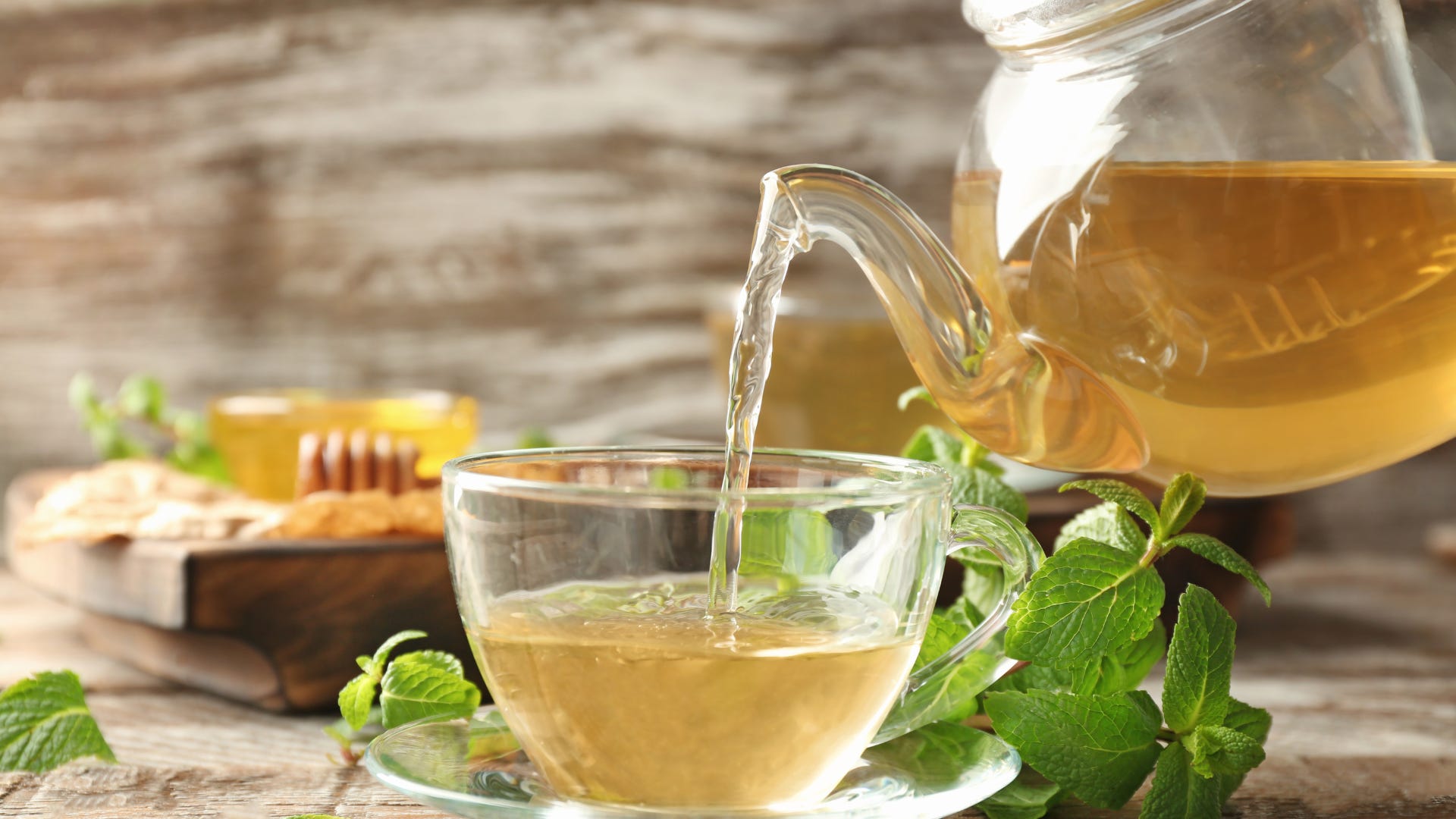
During the month of Elul, I like to drink herbal teas that support the heart by calming the nervous system, such as chamomile, rose, holy basil (tulsi), and lemon balm. When I am anxious and am struggling to feel present, I find lemon balm to be an encouraging friend, an herb that can soothe my frayed nerves.
Herbalist Juliette de Baïracli Levy writes that lemon balm has been used in the “treatment of nervous disorders including nightmares and disordered mind.” She recommends it infused in white wine, with honey and raisins added.
Farmer and educator Leah Penniman describes lemon balm as a “tender, aromatic herb,” and writes that a tea of lemon balm is taken “to lift the spirits, as well as to relieve anxiety, depression, headaches, restlessness, irritability, indigestion, nausea, and bloating.” She notes that lemon balm can be chewed to relieve a toothache and cold sores, and that it has an antithyroid effect, useful for people with an overactive thyroid. She recommends massaging lemon balm salve into the skin to relieve pain, and placing a satchel of lemon balm under the pillow to promote sleep.
Lemon balm teas and extracts have long been enjoyed in Jewish communities in treatments for headaches. According to historians Deatra Cohen and Adam Siegel, lemon balm extracted in wine or water was relied upon to treat chronic headaches in the Sefardi communities of Bosnia. In Olszana, Poland, a town with a significant Jewish population, people drank lemon balm infusions to treat headaches.
An Ashkenazi remedy book written in Yiddish, the Seyfer derekh ets ha-khayim (printed in 1613, most likely in Poland), describes lemon balm as an herb that strengthens the stomach, the brain, and the heart.
While I most commonly enjoy the calming power of lemon balm in the form of herbal tea, I also sometimes prepare a simple lemon balm face steam for releasing tension.
How to steam with herbs
Herbal steaming has a long history in Jewish folk healing. In Sefardi tradition, for example, face steams are used to treat weak vision. Herbal steaming is a helpful practice for boosting the immune system, easing a headache, decongesting and loosening phlegm, supporting your lungs to cope with allergens and irritants, refreshing the eyes, soothing a sore throat, and so much more.
Lemon balm face steam
Ingredients:
1-2 cups of lemon balm leaves (fresh or dried)
Instructions:
Get a medium to large metal or wooden bowl (no plastic).
Add 1-2 cups of lemon balm to the bowl.
Boil water and pour it into the bowl over the herbs.
Place a towel over your head, trapping the steam.
Steam your face for 10-20 minutes.
Lemon balm and tulsi (holy basil) grounding tea for Elul
Tulsi (holy basil) is an adaptogen that helps the body cope with stress.
Ingredients:
1 part fresh or dried lemon balm leaves
1 part fresh or dried tulsi (holy basil) leaves
Raw, local honey (optional)
Instructions:
Heat up your water. Once it is almost at the boiling point, remove from heat.
Pour the hot water into your cup containing your herbs (I recommend using a strainer to avoid having many plant particles in your tea).
Allow your tea to steep for 5-10 minutes, then strain.
Once your tea is strained and ready, add a spoonful of local, raw honey.
מליסה Hebrew
מעליסע Yiddish
mélisa Judeo-Spanish
Sources:
Woven Roots: Recovering the Healing Plant Traditions of Jews and Their Neighbors in Eastern Europe by Deatra Cohen and Adam Siegel
Ferré, Pilar Romeu. Agua Tibia, Media Vida: El Séfer Refuot o Libro de Medicamentos (Salónica, ca. 1855)
Farming While Black: Soul Fire Farm's Practical Guide to Liberation on the Land by Leah Penniman
Common Herbs for Natural Health by Juliette de Baïracli Levy
Disclaimer: The information in this article is intended for general informational purposes only and does NOT constitute medical advice. Always consult with a qualified healthcare professional before making any decisions about your health or treatment. The information provided is not a substitute for professional medical advice, diagnosis, or treatment.